Opening a US Bank Account as a Foreigner: What Actually Works in 2026
Opening a US bank account as a foreigner in 2026 is more achievable than most newcomers expect — but the difficulty rarely lies in federal policy. It lies in branch-level execution. The same major US bank can accept an ITIN, a foreign passport, and a proof of address at one location, and ask for a Social Security Number at another a few miles away.
That inconsistency is the single most important thing to understand before walking into a US branch. Written policy and what actually happens at the teller window are often two different conversations.
This guide covers which banks genuinely open accounts for non-residents, what documents work in practice (not just in theory), how to use an ITIN, what fees to expect, and the operational details — branch selection, withholding rules, and common reasons applications get declined — that decide whether your first account takes 45 minutes or three failed attempts.
Quick Picks: Best US Banks for Foreigners in 2026
| Profile | Best Option | Why |
|---|---|---|
| No SSN, ITIN holder | Bank of America | Largest branch network with consistent ITIN acceptance in immigrant-dense metros |
| Visiting the US short-term | HSBC Premier (if eligible abroad) | Can be pre-opened from your home country before arrival |
| Student on F-1 / J-1 | Chase College Checking | No monthly fee while enrolled, accepts I-20 + passport |
| Spanish-speaking newcomer | Wells Fargo or a Juntos Avanzamos credit union | Bilingual staff in many branches, ITIN-friendly |
| Digital-first, already in the US | Chime or Varo | Lower documentation friction once you have an ITIN or SSN |
| High balance / global wealth | Citibank Citigold | Strong international transfer pricing and relationship banking |
None of these banks publish guaranteed approval policies for non-residents. What follows is what tends to work, branch by branch, document by document.
Can Non-Residents Actually Open a US Bank Account?
Yes — and the legal framework is clearer than many newcomers expect. The Patriot Act and the Customer Identification Program (CIP) require banks to verify identity, not citizenship. Federal regulators explicitly allow alternative identification when a Social Security Number is not available, including ITINs, foreign passports, and consular IDs (Matrícula Consular, for example).
The friction is rarely legal. It is operational. Branch managers, compliance officers, and individual tellers often have significant discretion in how those federal rules are interpreted in practice. A branch in a heavily immigrant area handles ITIN-only applications every week; a suburban branch may see one a quarter and apply policy more conservatively as a result.
The practical takeaway: where you apply matters almost as much as which bank you choose.
Documents That Actually Work in 2026
The combination most US banks accept from non-residents typically includes:
Primary identification. A valid, unexpired foreign passport is the strongest document. Some banks also accept a US visa, an Employment Authorization Document (EAD), or a Permanent Resident Card.
Tax identification. A Social Security Number if you have one; otherwise an Individual Taxpayer Identification Number (ITIN) issued by the IRS. A Form W-7 receipt is not normally accepted as a substitute.
Proof of US address. A signed lease, a utility bill in your name, or official mail from USCIS or the IRS. A Private Mail Box (PMB) address, including most UPS Store mailboxes, is rejected by nearly every major US bank for new account opening.
Secondary identification. A debit or credit card from your home country, a driver’s license (foreign or US state-issued), or a national ID card. Two forms are often required.
One detail worth knowing: if you are a non-resident alien for tax purposes, the bank will ask you to sign Form W-8BEN. This certifies your foreign status and, in most cases, exempts the interest on your US bank account from the 30% default withholding under a tax treaty. More on this here.
ITIN, SSN, and the Tax ID Question
An ITIN is a nine-digit number issued by the IRS to people who are required to file US taxes but are not eligible for a Social Security Number. For banking purposes, an ITIN performs almost exactly the same function as an SSN: it lets the bank report interest income to the IRS, run the required identity checks, and stay compliant with federal Know Your Customer rules.
If you do not yet have an ITIN, you can apply through an IRS-authorized Certifying Acceptance Agent or directly with the IRS using Form W-7. Processing typically takes seven to eleven weeks. Some banks — most notably Bank of America and several credit unions — will open an account before your ITIN arrives and add it later. Others will not. Ask the specific branch before you spend an afternoon there with your documents.
How the Major US Banks Compare for Foreigners
The six banks below are the most relevant options for non-resident and ITIN-holding newcomers in 2026. None publishes a guaranteed approval policy — what follows reflects what tends to work at branch level, based on documented account types, current branch networks, and the documents each bank routinely accepts.
Bank of America: The Most Realistic Default
Bank of America operates roughly 3,800 branches across the United States and is, in practice, the most accessible major bank for non-residents without a Social Security Number. Its Advantage SafeBalance account has a $4.95 monthly fee that is waived for students under 25, and its Spanish-language service in California, Texas, Florida, and the New York metro is genuinely fluent rather than translated.
What makes Bank of America the default recommendation is volume, not generosity. Branches in cities like Paterson, Jersey City, Houston, Miami, and Los Angeles open accounts for ITIN holders every week, which means the staff knows the workflow and the compliance team is comfortable with the file. The exact same bank in a low-immigration suburb may quote you a different policy on the same morning.
Practical tip: call the specific branch before going in, and ask whether they currently open accounts using an ITIN and a foreign passport. The answer will save you a trip.
Chase: Strong if You Have an SSN, Limited if You Don’t
Chase has the largest US branch network — over 4,700 locations — and excellent digital tools. For non-residents, the picture is more mixed. Chase generally requires a Social Security Number for standard personal checking accounts, with one notable exception: Chase College Checking, which accepts an I-20 or DS-2019 plus a passport for international students.
If you already have an SSN, Chase is one of the strongest options in the country, particularly for credit card relationships down the line. If you are ITIN-only, it is rarely the easiest door to walk through.
Wells Fargo: Useful for Spanish Speakers and ITIN Holders
Wells Fargo has historically been one of the more accommodating large banks for newcomers, with Spanish-speaking staff in a high share of its 4,200+ branches and a willingness to accept ITINs at many locations. Its Everyday Checking account carries a $10 monthly fee, waived with a $500 direct deposit or a $500 minimum daily balance.
The bank’s reputational issues from the 2016–2020 period are well documented and worth being aware of, but day-to-day operational policy on opening accounts for non-residents remains relatively friendly in immigrant-dense markets.
Citibank: Best for Globally Mobile Newcomers
Citibank is the strongest choice for newcomers with significant assets or a need for international wire activity. Citigold, which requires $200,000 in combined balances, offers dedicated relationship managers, reduced wire fees, and the ability to transfer funds between Citi accounts in different countries instantly and without charge.
Below the Citigold tier, Citibank’s branch network is smaller than Chase or Bank of America (around 650 US branches, heavily concentrated in major metros), which limits its usefulness for newcomers settling outside New York, California, Florida, Illinois, or Texas.
HSBC: The Only Major Bank You Can Open Before Arriving
HSBC remains one of the very few global banks that allows certain customers to open a US account from their home country before relocating. The program is HSBC Premier International and typically requires an existing Premier relationship abroad with a qualifying balance (around $75,000 in most jurisdictions).
For everyone else, HSBC’s US footprint is now modest — most retail branches were sold to Citizens Bank in 2022 — so it is best treated as a pre-arrival solution rather than a long-term primary bank.
Capital One: Solid Backup, Particularly Online
Capital One’s 360 Checking has no monthly fee and no minimum balance, and the bank operates a small physical network (around 280 branches) supplemented by Capital One Cafés in major cities. For non-residents, Capital One generally requires an SSN or ITIN, but its online-first model means fewer document inconsistencies between locations than the large traditional banks.
It is rarely the first recommendation, but it is a reliable second account once your primary banking relationship is established.
Digital Banks vs. Traditional Banks: What Actually Differs
Digital banks — Chime, Varo, SoFi, Current — generally offer faster account opening, lower fees, and better mobile apps. They also rely on automated identity verification systems that struggle more often with non-US documents, foreign credit files, and addresses that have not yet built a US history.
In practice, most newcomers find it easier to open their first US account at a traditional bank with a physical branch (where a human can review documents) and then open a digital account a few months later, once they have a US address footprint and an ITIN or SSN on file.
The exception is short-term visitors who already have an SSN through a J-1 or H-2B program: digital banks can be the fastest route in that case.
The Real Cost of a US Checking Account in 2026
Headline fees are only part of the picture. The realistic annual cost of a basic US checking account for a newcomer in 2026 typically breaks down as follows:
Monthly maintenance fee. $4.95 to $25 depending on the bank and account tier. Almost always waivable with a direct deposit (often $500/month) or a minimum balance ($300 to $1,500). Set up the waiver during account opening, not after.
Out-of-network ATM fees. $2.50 to $5 per withdrawal from your bank, plus $2 to $5 from the ATM operator. A single out-of-network withdrawal can cost $7 or more.
International wire transfers. $35 to $50 outgoing, $15 to $20 incoming at most major banks. Citigold and HSBC Premier reduce or eliminate these. For most newcomers, dedicated services like Wise are dramatically cheaper than wire transfers for sending money home.
Overdraft fees. Historically $35 per item; most major banks have reduced or eliminated these as of 2022–2023, but the policies vary. Confirm in writing.
Foreign transaction fees on debit purchases abroad. Usually 3% of the transaction. This matters if you travel back to your home country regularly.
A realistic annual cost for a non-resident using a major US bank account responsibly is between $0 and $120, depending on whether the monthly fee is waived and how many international wires you send.
Common Mistakes Newcomers Make When Opening a US Account
Using a PMB (Private Mail Box) address. UPS Store mailboxes and similar services are rejected by nearly every major US bank for new account openings. Even when the application appears to go through online, the account is usually flagged within days and closed. Use a real residential address — a friend’s or family member’s address is acceptable if you have written permission and can receive mail there.
Applying online before having an SSN or ITIN. Most online applications at major banks default to an SSN field and will either reject the application or send you to a branch. For non-residents, in-person applications at the right branch are almost always faster.
Choosing the wrong branch. Two branches of the same bank in the same metropolitan area can give different answers on the same documents. Branches in immigrant-dense neighborhoods generally have more experience with ITIN-only applications and alternative documentation. This is worth a fifteen-minute drive.
Not asking about the W-8BEN. If you are a non-resident alien for tax purposes, the bank should ask you to sign Form W-8BEN. If they do not, your interest income may be subject to 30% backup withholding. Raise it yourself if the banker does not.
Closing your home-country account too quickly. Keep it open for at least six to twelve months. You will need it for international transfers, and US banks frequently flag and freeze new accounts in the first 30 to 90 days. Having a working account back home is a safety net, not a redundancy.
Step-by-Step: Opening Your US Bank Account
1. Choose the right branch, not just the right bank. Look up branches in immigrant-dense areas of your city. If you are in a smaller market, call ahead and ask whether the branch opens accounts using an ITIN and a foreign passport.
2. Gather your documents. Passport, ITIN or SSN, proof of US address (lease or utility bill, not a PMB), and a secondary ID. Bring originals, not copies.
3. Make an appointment. Walking in works, but appointments are taken more seriously and assigned to staff with onboarding authority. Use the bank’s website or mobile app.
4. Open the account in person. Expect 45 to 90 minutes. Sign the W-8BEN if applicable. Confirm the monthly fee waiver conditions in writing on the account agreement.
5. Fund the account. Minimum opening deposits range from $25 (Bank of America) to $100 (Chase) to $0 (Capital One 360). Cash, debit card, or a transfer from another bank.
6. Activate online banking immediately. Set up direct deposit if you have a US employer, link external accounts, and order checks if needed. Most banks issue a debit card on the spot; others mail it within 7 to 10 business days.
Special Situations
ITIN-only applicants. Bank of America, most Juntos Avanzamos credit unions, and many community banks in immigrant-heavy markets are the strongest options. Wells Fargo works in many branches. Chase generally does not.
DACA recipients. An EAD plus a Social Security card is sufficient at virtually every major bank. The DACA work permit is recognized for full account opening, including credit products.
Credit unions. Federally insured by the NCUA rather than the FDIC, but the protection is equivalent. Many credit unions — particularly those in the Juntos Avanzamos network — specialize in serving Hispanic and immigrant communities and accept ITINs as a matter of standard policy. Membership often requires living, working, or worshipping in a specific geographic area.
F-1 and J-1 students. Chase College Checking, Bank of America Advantage SafeBalance (waived under 25), and Wells Fargo’s student account are the three most common choices. An I-20 or DS-2019 plus a passport is normally enough.
H-1B and L-1 visa holders. You will typically have an SSN within two to three weeks of arrival. Once you do, nearly every major bank is open to you. In the meantime, an ITIN-friendly bank or a credit union can bridge the gap.
Questions People Actually Ask
Can I open a US bank account from outside the United States?
Realistically, only through HSBC Premier International or a few private banking programs. Most other “open a US account online from abroad” services are fintech wallets, not full US bank accounts with FDIC insurance.
Do I need an SSN?
No. An ITIN is accepted by Bank of America, Wells Fargo, many credit unions, and a number of community banks. Chase and most digital banks generally require an SSN.
Will my interest be taxed?
If you are a non-resident alien and you sign Form W-8BEN, most interest on a US bank deposit is exempt from US tax under federal law and applicable tax treaties. Without the W-8BEN, the bank may withhold 30%.
How long does it take to open the account?
In person: 45 to 90 minutes. The debit card is often issued on the spot. Full online access is typically active within 24 hours.
Can I open an account with a tourist visa?
Technically yes at some banks (HSBC, Bank of America in certain branches), but you need a US address. A hotel address is rejected. This is the main reason most B-1/B-2 visitors cannot open a regular US bank account.
What happens if my application is denied?
Ask why in writing. The most common reasons are PMB addresses, mismatched names between documents, or ChexSystems flags from previous US banking history. None of these are permanent.
The Bottom Line
For most newcomers in 2026, the single most reliable path to a US bank account is a Bank of America branch in an immigrant-dense area, opened in person with a passport, an ITIN, and a real US address. Wells Fargo and a local Juntos Avanzamos credit union are strong alternatives, particularly for Spanish speakers. Chase is excellent once you have an SSN, and less useful before. HSBC remains the only realistic option if you need an account opened before arriving in the US. Digital banks are best layered on top of a traditional account, not used as the first one.
Five points carry most of the weight in practice. Where you apply matters as much as which bank you choose — branches in immigrant-dense areas handle ITIN-only applications as routine business while suburban branches often do not. An ITIN works almost everywhere an SSN does, except at Chase and most digital banks. PMB addresses are rejected; use a real residential US address, even if it belongs to a friend or family member with written permission. Non-resident aliens should sign Form W-8BEN — without it, 30% of interest income may be withheld. And keep your home-country account open for at least six to twelve months after arrival.
The decisive factor is rarely the bank’s national policy. It is the branch you choose and the documents you bring.
Related Guides
- Best Credit Cards for Newcomers in the USA (2026)
- How to Build a US Credit Score From Scratch (2026)
- Can Foreigners Open a Bank Account in the US?
- US Bank Interest and Tax for Non-Resident Aliens
Sources & Further Reading
- IRS — Individual Taxpayer Identification Number (ITIN)
- IRS — About Form W-8BEN
- FDIC — Consumer News and Resources
- CFPB — Bank Accounts and Services
- FinCEN — USA PATRIOT Act and Customer Identification Program
- Inclusiv — Juntos Avanzamos Credit Union Network
Author Note
I moved to the United States from Morocco in 2015 and have spent the last decade working in banking, customer relations, and financial services — both as a customer navigating the system myself and, later, on the operational side. This guide reflects what actually works at the teller window in 2026, not just what the bank websites describe.
If you have a specific situation that this guide does not cover, you can reach me at talal@moneyabroadguide.com. I read every email.
— Talal Eddaouahiri, Founder & Editor-in-Chief, MoneyAbroadGuide
Financial disclaimer: This article is for informational purposes only and does not constitute financial, tax, or legal advice. Banking products, fees, and eligibility requirements change frequently. Verify current terms directly with the financial institution before opening any account. MoneyAbroadGuide does not have an advisory or fiduciary relationship with readers. See our Editorial Policy and Affiliate Disclosure for more.
Important disclaimer
This guide is for general educational purposes and is not financial, legal, tax, or accounting advice. Bank fees, interest rates, promotional offers, and eligibility rules change frequently — always confirm directly with the bank before opening an account. We aim for accuracy but cannot guarantee every detail.
You are responsible for your own financial decisions. Past performance does not predict future results. Consider your specific situation — goals, risks, eligibility, and total costs — before opening any account. Consult a qualified financial professional for advice tailored to your circumstances.
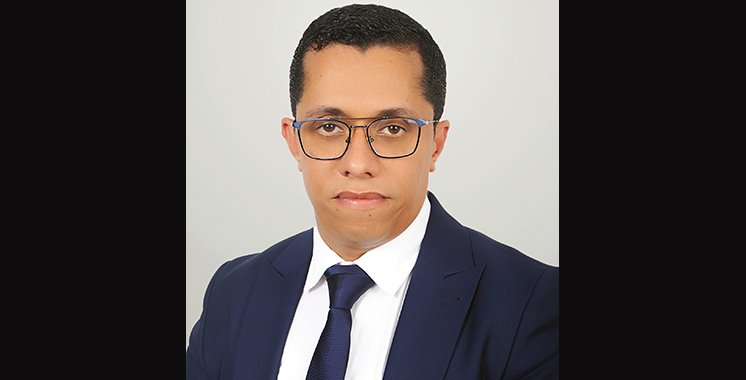
Written by Talal Eddaouahiri
Founder & Editor-in-Chief | Former International Banking Executive
Talal is a Moroccan immigrant to the USA with 15+ years of experience in international banking. He founded MoneyAbroadGuide to help newcomers navigate the financial complexities of moving abroad.