Last Updated: June 2026 | This article is for educational purposes only and does not constitute financial or legal advice.
Yes — foreigners can open a US bank account in 2026. Whether you are a non-resident alien visiting the USA, an international student on an F-1 visa, a new H-1B worker, or an immigrant who just arrived, you have banking options. This guide covers exactly which banks accept foreigners, what documents you need, and what to do if you do not yet have a Social Security Number (SSN).
Can Foreigners Open a US Bank Account in 2026?
Yes — and in most cases it is easier than people expect. US federal law does not prohibit non-US citizens or non-residents from opening a bank account. However, individual banks set their own eligibility requirements, and policies vary significantly between institutions. The key factors are your documentation and whether you have a US address.
The most important distinction is between a resident bank account (for people living in the USA on any visa) and a non-resident bank account (for people who live abroad but want US banking access). Most of this guide covers resident accounts — the most common situation for newcomers, immigrants, students, and work visa holders.
| Situation | Eligible for US Bank Account? | SSN Required? |
|---|---|---|
| H-1B, L-1, O-1, TN visa holder | ✅ Yes — most major banks | Usually have SSN via employer |
| F-1 / J-1 international student | ✅ Yes — with valid visa + I-20/DS-2019 | May need SSN or ITIN — call bank to verify |
| Green card holder | ✅ Yes — same as US resident | Yes — SSN via green card process |
| Tourist / B-1/B-2 visa | ⚠️ Difficult — limited banks accept | Usually required — call bank first |
| Non-resident (living abroad) | ⚠️ Limited options — Wise, Mercury, HSBC | Not always required |
| ITIN holder (no SSN) | ⚠️ Some banks — call to verify first | ITIN may substitute — not guaranteed |
Documents Required to Open a US Bank Account as a Foreigner
While requirements vary by bank, most US financial institutions will ask for a combination of the following documents when opening an account as a foreign national:
- Valid passport — universally accepted as primary ID. Must be unexpired.
- US visa — your current visa stamp or I-94 record (printable from cbp.dhs.gov).
- US address — a physical US mailing address is required by nearly all banks. A PO Box alone is not sufficient. Your school dorm, employer address, or landlord letter works.
- SSN or ITIN — most banks require one or the other. If you have neither, options are limited to specific banks and fintech platforms (see below).
- Secondary ID — some banks ask for a second form of ID such as a student ID, driver’s license, or national ID card.
- Immigration documents — F-1 students may need I-20; J-1 visa holders may need DS-2019; H-1B holders may need I-797 approval notice.
Best US Banks for Foreigners in 2026
These banks are consistently reported to have accessible account-opening processes for foreign nationals. However, policies change frequently — always verify current requirements directly with the bank before applying. See our dedicated guide: Best Banks for Newcomers in the USA.
Bank of America — Best Large Bank for Newcomers
Bank of America has specific programs for newcomers and international students. They accept passport + visa as primary ID and have been known to work with ITIN holders in some branches for checking accounts. Their “SafeBalance” account has no overdraft fees, making it newcomer-friendly. Call your local branch or visit bankofamerica.com to confirm current ITIN acceptance policy.
Chase Bank — Best for Nationwide Branches
Chase accepts foreign passport holders for basic checking accounts, though requirements can vary by branch and state. The Chase Total Checking account is widely available to visa holders with a US address. SSN is typically required, but some branches have accepted ITINs — call Chase directly at 1-800-935-9935 to confirm your specific situation before visiting.
Wise (formerly TransferWise) — Best for Non-Residents and International Use
Wise offers a multi-currency account that provides US banking details (routing + account number) without requiring an SSN or US address in all cases. It is particularly useful for non-residents who want to receive USD payments or send money internationally at low cost. Wise is not a bank — it is an e-money institution, and balances are not FDIC insured. Verify current eligibility at wise.com.
Mercury Bank — Best for Freelancers and International Entrepreneurs
Mercury is a business bank account platform that accepts foreign nationals and non-residents for business accounts (LLC, C-Corp). It is particularly popular among international entrepreneurs and remote workers who have registered a US business entity. Not suitable for personal banking. Verify eligibility at mercury.com.
Citibank — Best for International Transfers
Citibank has a global presence that makes it easier for recent arrivals who already bank with Citi in their home country. Some Citi accounts allow international credit history transfer for new US residents. Citibank branches in major cities (New York, Los Angeles, Chicago, Miami) are experienced with foreign national account openings. Call your nearest branch or visit citibank.com to verify current requirements.
Opening a US Bank Account Without an SSN
Not having an SSN limits your options but does not eliminate them. Here is what you can do:
- Apply for an ITIN — file IRS Form W-7. An ITIN allows you to file taxes and may be accepted by some banks. Processing takes 7–11 weeks. Source: IRS.gov.
- Use Wise — Wise provides US bank account details without requiring an SSN in most cases. Ideal for receiving USD payments from US employers or clients.
- Visit a bank branch in person — some local credit unions and community banks are more flexible than major national banks. Bring all your documents and explain your situation.
- Wait for your SSN — if you are on H-1B, TN, or OPT with work authorization, your SSN will arrive within 2–4 weeks of starting work. This is the simplest solution.
Step-by-Step: How to Open a US Bank Account as a Foreigner
Step 1: Gather Your Documents
Collect: valid passport, US visa/I-94, US mailing address documentation, SSN or ITIN (if available), and any immigration-specific documents (I-20, I-797, DS-2019 as applicable).
Step 2: Research Which Banks Accept Your Situation
Call 2–3 banks before visiting. Ask specifically: “Do you open accounts for [your visa type] holders? Do you accept an ITIN if I don’t have an SSN yet?” Note the representative’s name and what they told you.
Step 3: Visit a Branch or Apply Online
For your first US bank account, an in-person branch visit is often more successful than an online application — bank staff can manually review your documents and escalate to a manager if needed. Bring originals plus photocopies of all documents.
Step 4: Make Your Opening Deposit
Most banks require a minimum opening deposit of $25–$100 for a checking account. Have this ready in cash or wire transfer. Once open, set up direct deposit with your employer as quickly as possible — this unlocks additional features and in some cases better interest rates (as with SoFi).
Step 5: Begin Building Your US Financial Profile
Once your bank account is open, your next priorities are: applying for an SSN (if not yet obtained), opening a high-yield savings account for your emergency fund, and starting to build your US credit score. See our complete guide: How to Build Your US Credit Score as an Immigrant.
For a detailed walkthrough of the account opening process, see our dedicated guide: How to Open a Bank Account as a Newcomer in the USA.
Common Mistakes Foreigners Make When Opening a US Bank Account
Mistake 1: Applying Online Without Verifying Eligibility First
Online bank applications often reject foreign nationals automatically if the form expects a US SSN. Always call the bank first, explain your situation, and ask if in-person or a different application path is available before attempting an online application that could result in a hard inquiry on your SSN or a rejection on record.
Mistake 2: Using a PO Box as Your Address
Banks are required by law to verify your physical address under the Bank Secrecy Act and Patriot Act. A PO Box alone is not accepted as a physical address. Use your apartment address, dormitory address, or employer address. If you have not yet moved in, a friend or family member’s address may work — but you will need to update it once settled.
Mistake 3: Assuming a Debit Card Is Enough
A debit card does not build credit, so newcomers should learn early how to start building credit without a Social Security Number. Many newcomers spend months using only their bank account’s debit card, missing the critical window to start building their credit profile. Apply for your first credit card (secured or otherwise) as soon as possible after opening your bank account. The earlier you start, the sooner your 15% “length of history” clock begins.
Mistake 4: Leaving Savings in a Low-Interest Checking Account
A checking account typically earns 0.01% APY or nothing. Move your savings to a high-yield savings account immediately. See our full guide to the Best High-Yield Savings Accounts for Newcomers — the difference in annual interest on $5,000 is hundreds of dollars per year.
Next Step: Build Your US Credit Score
You’ve opened your bank account. Now build the credit score that opens every other door in America. Our complete ebook walks you through every step.
Get: Build Your Credit Score in the USA (2026 Edition) — $19.99Why Trust MoneyAbroadGuide?
- hands-on experience navigating cross-border finance as an immigrant across North America, Europe, and Asia.
- Founder lived the newcomer banking experience — navigating the US system as an immigrant without established history.
- Educational content, not financial advice — always consult a qualified professional for personalized guidance.
- Sources verified from official institutions — FDIC.gov, CFPB.gov, IRS.gov, and each bank’s official website.
- ITIN policies always flagged as unverified — we never claim a bank accepts ITIN without current official confirmation.
- Last updated: June 2026.
- US Expat Tax Filing Guide 2026: Complete Handbook
- Best Banks for Newcomers in the USA (2026): Complete Guide
- Best ITIN-Friendly Bank Accounts for New Immigrants in the USA (2026)
- How to Get an ITIN Number in the USA (2026)
- How to Open a Bank Account as a Newcomer in the USA (2026 Complete Guide)
- Best Way to Send Money from USA to Canada (2026)
Related Guides
Frequently Asked Questions
Can I open a US bank account as a non-resident?
Yes, but options are limited. Non-residents living abroad are best served by Wise (US account details without requiring residency), HSBC international accounts, or Mercury for business accounts. Traditional US retail banks generally require a US address and SSN/ITIN for account opening.
Can I open a US bank account with just a passport?
A passport alone is usually not sufficient. Most banks require a passport plus at least one of: SSN, ITIN, or US visa documentation. Some banks may also require proof of US address. Call the specific bank to verify what combination of documents they accept before visiting.
What happens if I don’t have an SSN yet?
If you are on H-1B, OPT, or TN visa and have just started working, your SSN typically arrives within 2–4 weeks of filing. In the meantime, some banks accept ITIN, and Wise provides US banking details without an SSN. If you are an F-1 student, you can apply for an SSN once you have on-campus work authorization.
Do US banks report foreign account holders to the IRS?
US banks report interest earned to the IRS via Form 1099-INT. For non-resident aliens, banks may issue Form 1042-S for interest income. FATCA (Foreign Account Tax Compliance Act) requires US banks to report certain foreign account holders — but this applies to US persons with foreign accounts, not to foreign nationals with US accounts in most standard retail situations. Consult a tax professional familiar with international tax for your specific situation. Source: IRS.gov.
Can international students open a US bank account?
Yes. F-1 and J-1 students are generally eligible to open US bank accounts with: valid passport, current visa, I-20 or DS-2019, university enrollment verification letter, and US address (dormitory or off-campus housing). Many universities have partnerships with specific banks that make this process easier for students. Check with your school’s international student office.
Is FDIC insurance available to foreigners?
Yes. FDIC insurance protects all deposits up to $250,000 per depositor per institution regardless of the depositor’s nationality or immigration status. If you open an account at an FDIC-member bank, your deposits are protected. Verify FDIC membership at fdic.gov. Source: FDIC.gov.
Sources: FDIC.gov, CFPB.gov, IRS.gov, individual bank official websites. This content is educational only and not financial, legal, or tax advice. Last updated June 2026.
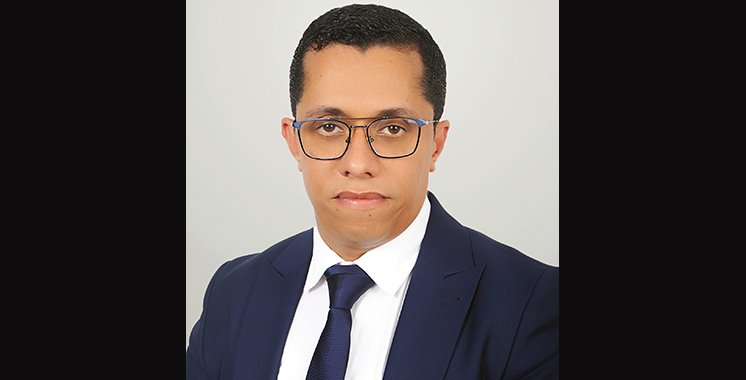
About Talal Eddaouahiri
Founder & Editor of MoneyAbroadGuide.com. A Moroccan immigrant who settled in the United States in 2015, Talal opened bank accounts and built credit from zero in both the US and Canada. His background is in retail banking and customer relations, and he writes independent, source-based guides (FCAC, FINTRAC, OSFI, CRA, IRS, CDIC) to help newcomers navigate their first financial steps. Read his full profile →